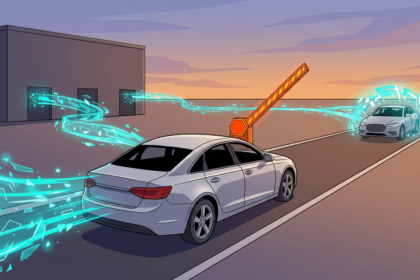
Security standards for cars are written in years. Cars themselves last decades. Kigen’s newest automotive embedded SIM has cleared the GSMA’s security assurance assessment. SGP.32 v1.3 sets the bar, and no automotive eSIM had passed it before.
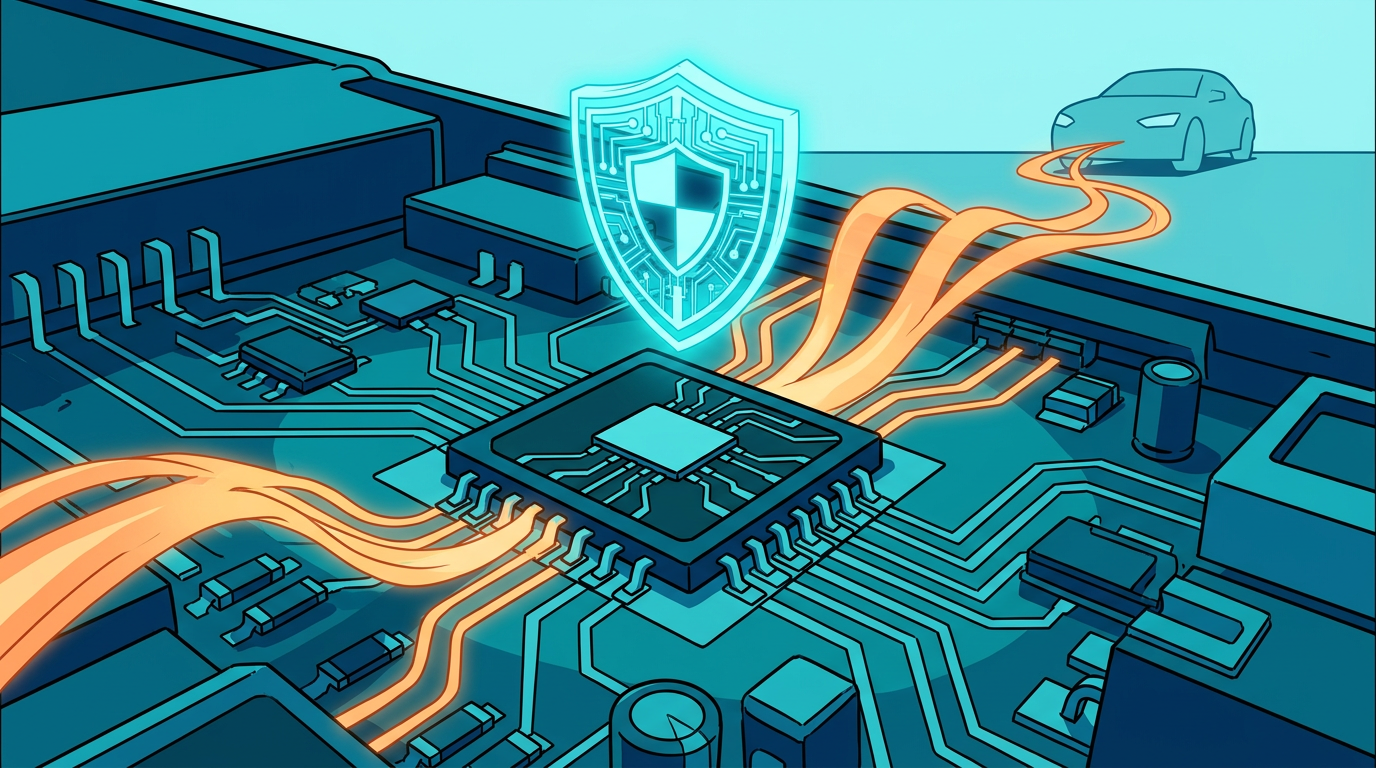
Infineon’s Tegrion SLI22 controller sits inside the part. One operating system, one hardware base and one toolset serve Kigen’s consumer, industrial and automotive eSIM lines alike, letting infotainment, telematics and headless units across cars, passenger transport and industrial fleets share one security platform rather than three.
Post-quantum capability arrives early, with hybrid key encapsulation blending quantum-safe methods and conventional ones even though GSMA documents do not yet define post-quantum cryptography, and sample silicon in the ETSI MFF2 package reaching OEMs from October 2026.
Longevity is the sales argument. A vehicle’s connectivity trust anchor has to stay manageable for a decade or more, says Kigen chief executive Vincent Korstanje.
Regulators increasingly agree. Both the EU’s Cyber Resilience Act and UNECE R155 ask manufacturers to show they can manage security across a vehicle’s entire life, not merely until it leaves the line. Connectivity hardware that cannot be re-provisioned or patched becomes a liability once a fleet reaches five or ten years old.
That is the gap the certificate addresses: a trust anchor that survives type approval and keeps being managed in the field, instead of a connectivity redesign halfway through a vehicle’s service life.