CarThreat
  • Home
  • News
  • Features
  • Spotlight
  • Events
  • About
    • Our Mission
    • Services
    • Contact
Notification
  • Autonomous Driving
  • Automotive Ethernet
  • BMS
  • ECU
  • EV
  • ISO/SAE 21434
  • Infotainment
  • OTA Updates
  • OBD-II
  • Pwn2Own
  • RCE
  • SDVs
  • TCU
  • UNECE R155
India's two-part cyber rulebook now has a certification trail
Cybersecurity

India’s two-part cyber rulebook now has a certification trail

Colmobil shuts some counters after intruders reach its network
Cybersecurity

Colmobil shuts some counters after intruders reach its network

A supplier flaw handed car buyers' payment records to criminals
Cybersecurity

A supplier flaw handed car buyers’ payment records to criminals

Physical Security

Rental cars stored video of Norwegian troops and gate codes

Font ResizerAa
CarThreatCarThreat
  • Home
  • News
  • Features
  • Spotlight
  • Events
  • About
Search
  • Home
  • News
  • Features
  • Spotlight
  • Events
  • About
    • Our Mission
    • Services
    • Contact
Sign In Sign In
Follow US
© 2026 Carthreat.com. All right reserved.
Cybersecurity

Ethernet flood via OBD port stalls cars and blacks out displays

A rogue DHCP server on the OBD Ethernet port lets attackers flood a car's network and disrupt safety-critical systems, researchers will show at DEF CON 34.

CarThreat Staff
Last updated: August 6, 2026 8:54 pm
By
ctadmin
2 Min Read
SHARE

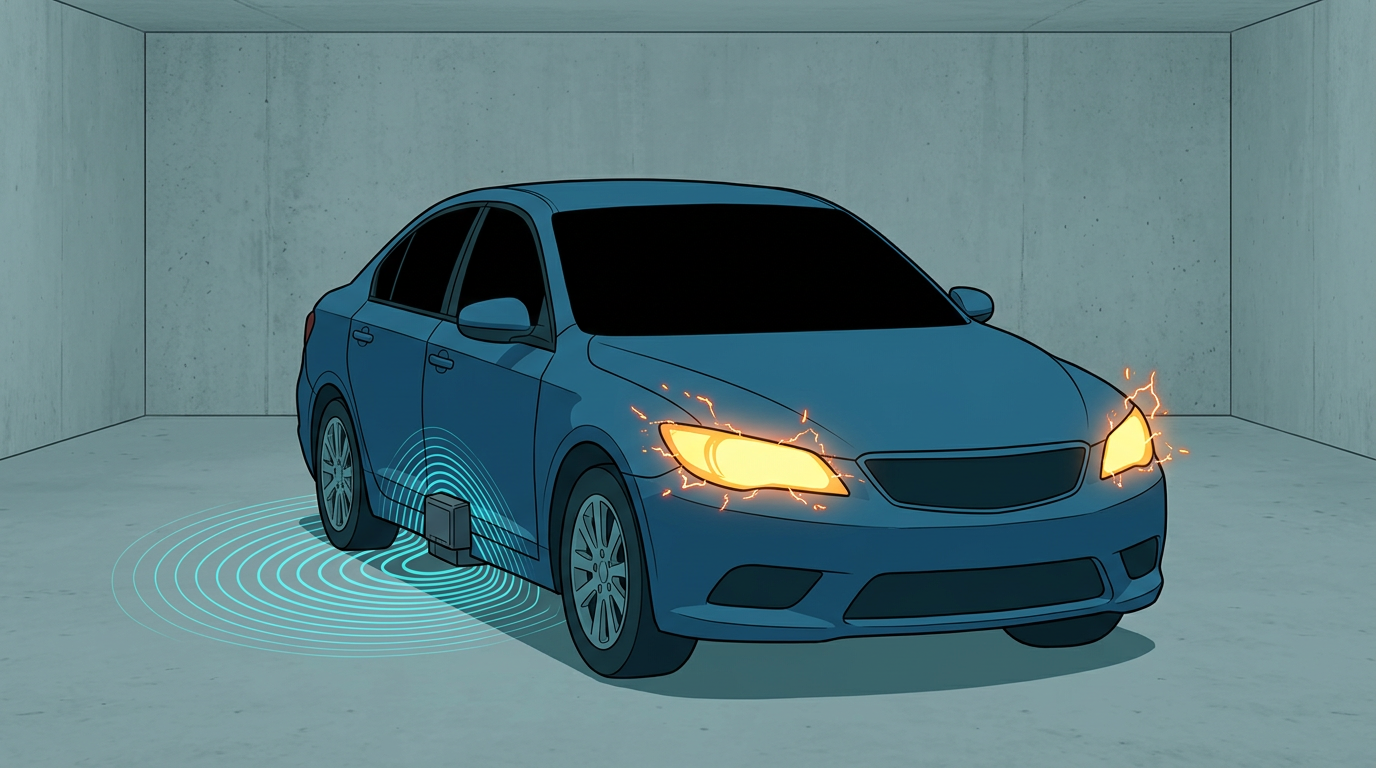
Researchers will demo a new attack on production vehicles at the Car Hacking Village during DEF CON 34 that turns a car’s diagnostic port into a weapon against its own safety systems.

Modern cars are moving diagnostics from CAN to Automotive Ethernet, and gateway ECUs are supposed to limit traffic to specific IP addresses. The problem, says researcher Yehyeong Lee, is that many gateways also run DHCP so diagnostic tools can connect. Anyone with brief access to the diagnostic socket can stand up a rogue DHCP server, seize control of the gateway’s IP assignment, and then attack the network blind, with no map of the vehicle’s internals required.

The researchers blast the network with high-rate Layer 2 and Layer 3 traffic across ARP, ICMP, UDP, and TCP. The flood wrecks safety-critical functions such as the audio-visual navigation unit, wipers, and headlights, and can bring the vehicle to an abrupt stop once the driver selects Drive or Reverse. Crank the packet rate higher and the infotainment screen goes dark, refusing to come back until the vehicle is completely powered off.

The findings were discovered on a production vehicle, and the team will bring a live demo to the village’s Creator Stage on Saturday afternoon.

The work highlights a growing tension in vehicle design: the same Ethernet backbone that enables modern diagnostics and software updates also hands attackers a high-bandwidth path into safety systems when network services are left open. OEMs should treat diagnostic ports as untrusted, disable unused services, and add rate limiting and authentication to in-vehicle network stacks.
Join Our Newsletter
Subscribe to our newsletter to get our newest articles instantly!
TAGGED:Automotive EthernetConnected VehiclesCybersecurityDEF CON 34ECU SecurityOBD-IIVulnerabilities
SOURCES:Car Hacking Village
Share This Article
Facebook Email Copy Link

Follow US

Find US on Social Medias
FacebookLike
XFollow
YoutubeSubscribe

You Might Also Like

Cybersecurity

Vector Solectrix Collaboration Targets ADAS and Autonomous Driving Validation

By
ctadmin
May 22, 2026
cel-shaded illustration of a heavy truck brake drum with a glowing cyan barrier blocking orange wireless signal waves
Cybersecurity

Stoneridge puts truck brakes behind a hardware partition

By
ctadmin
September 16, 2026
Cybersecurity

Mercedes Benz Telemetry Data Replaces Manual Road Surveys for Infrastructure Safety

By
ctadmin
July 21, 2026
CybersecurityPolicy & Compliance

NHTSA opens a rewrite of its vehicle cybersecurity playbook

By
ctadmin
October 10, 2026
Cybersecurity

VicOne hooks fresh CVE feeds into vehicle risk models

By
ctadmin
September 24, 2026
Car NewsCybersecurity

Why building your own automotive IDPS with eBPF is a costly trap

By
ctadmin
July 21, 2026

CarThreat

Intelligence for the EV and automotive security market
  • News
  • Features
  • Spotlight
  • Events
  • About Carthreat
  • Our Mission
  • Services
  • Contact Us
  • OBD-II
  • Automotive Ethernet
  • TCU
  • Infotainment Systems
  • SDVs
  • BMS
  • ECU Security
  • CAN Bus
  • OTA Updates
  • Vulnerabilities
  • Relay Attacks
  • RCE
  • Threat Intelligence
  • Cybersecurity
  • Digital Keys
  • Bluetooth Security
  • ISO/SAE 21434
  • UNECE R155
  • Regulations
  • Data Privacy
  • EVs
  • Autonomous Driving
  • Pwn2Own Automotive

© 2026 Carthreat.com. All right reserved.  Privacy Policy | Legal

Welcome Back!

Sign in to your account

Username or Email Address
Password

Lost your password?